Housing that feels dignified
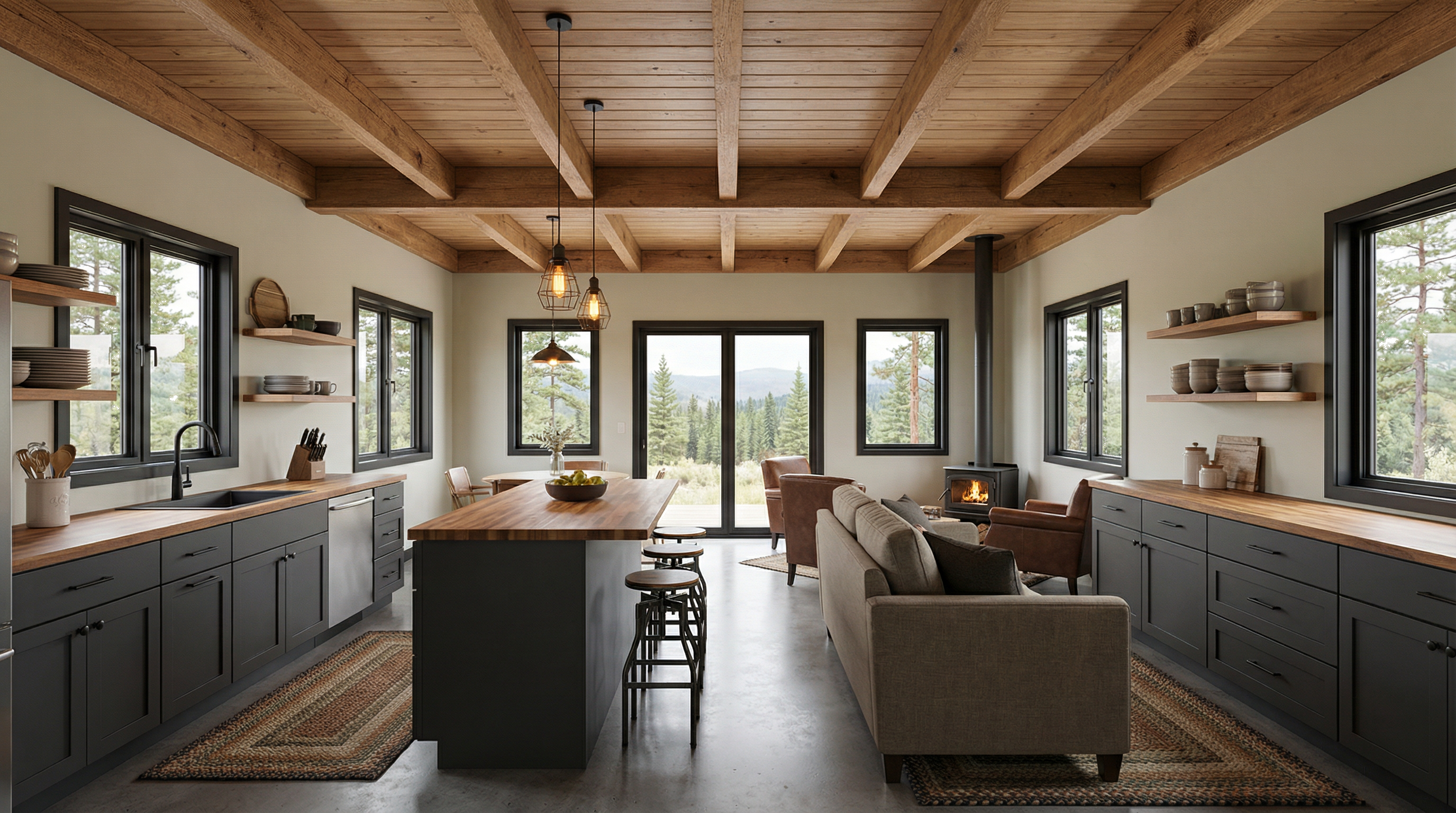
The objective is not only to deliver units, but to help create homes that feel warm, durable, comfortable, and quietly luxurious through long northern winters.
This page is about more than housing units. It is about how northern-ready homes, darker and more comforting architectural character, thoughtful gathering edges, and a stronger sense of place can contribute to community life in Northern First Nations and Indigenous communities.
The objective is not only to deliver units, but to help create homes that feel warm, durable, comfortable, and quietly luxurious through long northern winters.
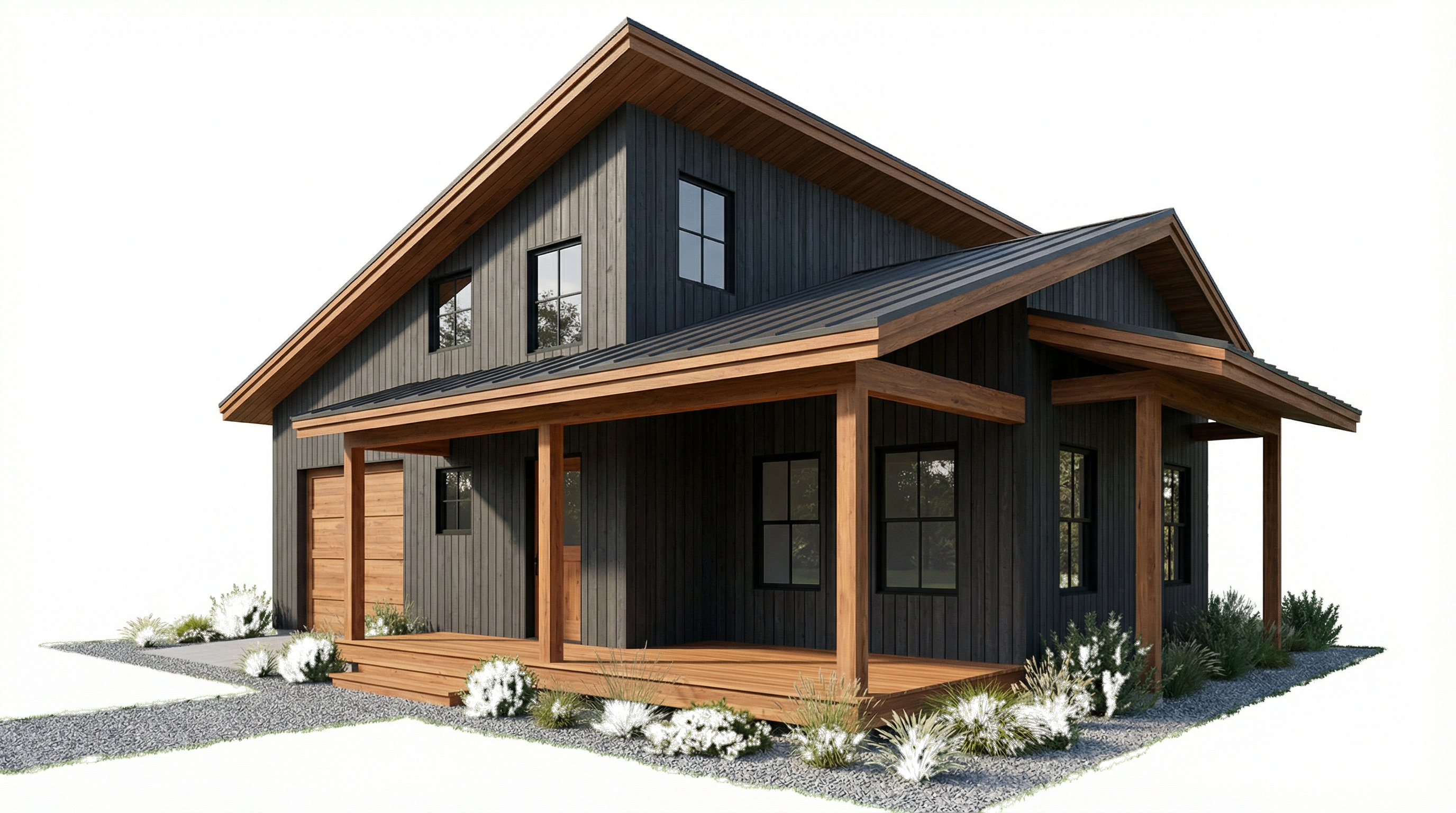
Community improvement also includes outdoor rooms, front-porch life, walkable edges, and gathering-oriented layouts that encourage connection, comfort, and everyday belonging rather than isolation.
Dark cladding, stronger timber expression, landscape framing, and quieter material palettes can help a development feel more rooted in northern land, climate, and identity.
Why this page matters
A northern housing platform can contribute more than shelter. It can help create warmer, more coherent streetscapes, more welcoming arrival sequences, and more useful places for neighbors, families, and community members to gather. That means thinking about the comfort, beauty, and social feel of the built environment instead of treating housing as isolated boxes.
The opportunity is to support community conversations about homes, shared outdoor spaces, visible pride in place, and architectural language that reflects the beauty of the North. That does not mean imposing one visual style. It means using strong base design, durable materials, darker comforting palettes, and respectful collaboration to help communities shape places that feel more rooted, more elevated, and more alive.
Community outcomes
The design intent is to support communities that feel warmer, calmer, more comfortable, and more connected. Homes matter, but so do the spaces between them, the way people arrive, the way porches and edges face shared routes, and the way a neighborhood expresses northern identity instead of generic repetition.
Place-based northern capability
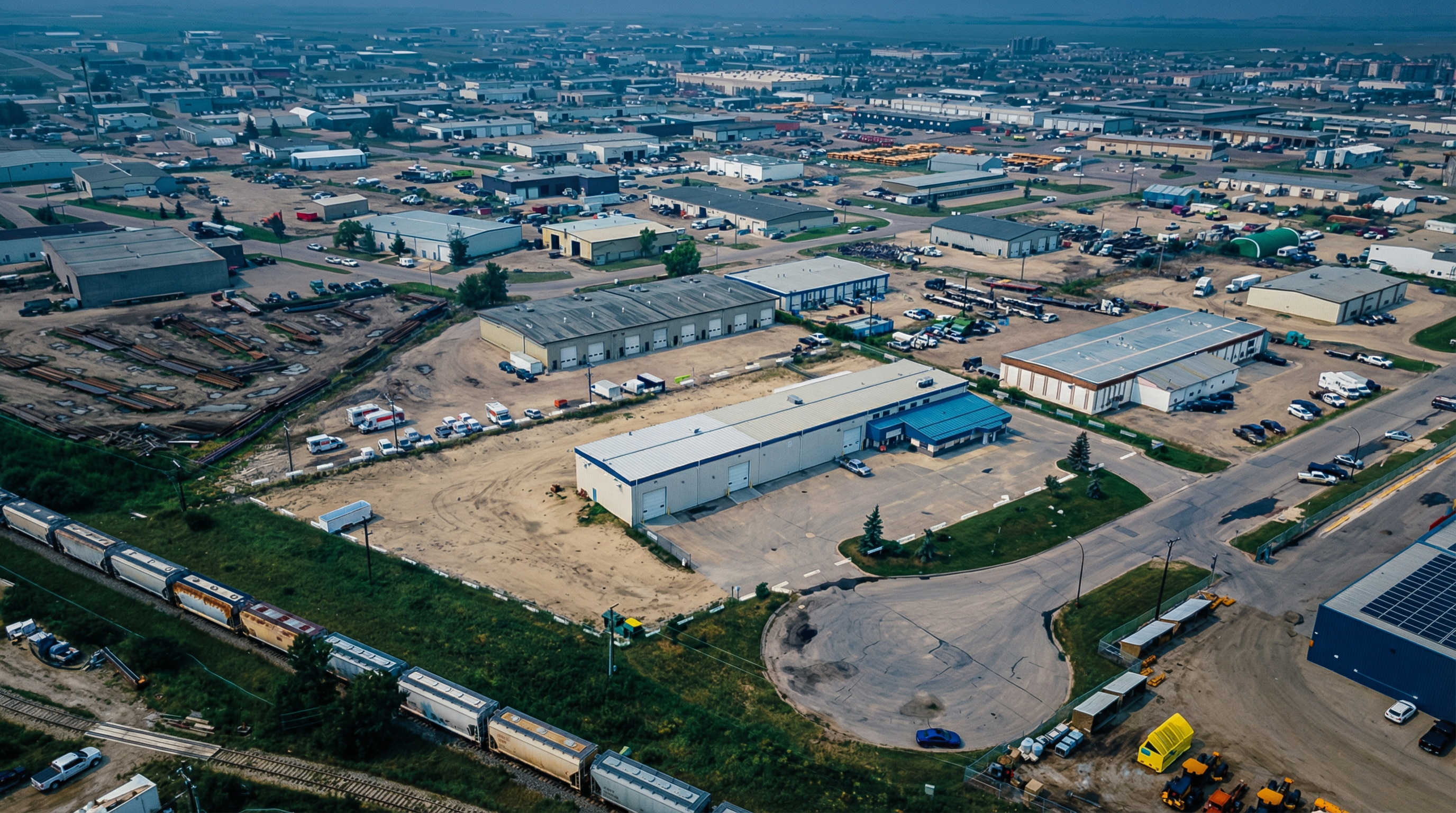
A community-focused page should still be grounded in operational reality. The facility matters because it helps frame quality control, staging, logistics, and the seriousness of the platform behind the housing conversation. That credibility can support better partnership discussions when the focus shifts from concept to implementation.
Community pathways
01
Begin with community goals, housing pressures, cultural context, and site conditions so any built response supports people and place rather than imposing a generic template.
02
Use durable product families and northern-ready design principles while still allowing room for local expression, gathering patterns, and community-specific needs.
03
Street edges, common spaces, porch conditions, circulation, landscaping, and how buildings relate to one another all influence whether a project improves everyday life.
04
The aim is to support a stronger sense of place, better day-to-day livability, and more credible pathways for future phases of housing and community improvement.
Start the conversation
This page is meant to support early discussions with communities, leadership groups, development partners, and aligned stakeholders who want to talk about housing quality, community aesthetics, shared spaces, and what a more comfortable, beautiful, and distinctly northern sense of place could look like.
Use this page to begin a conversation about housing, shared spaces, and the visual feel of future community improvements.
The strongest outcomes usually come from matching housing strategy, site conditions, gathering patterns, and the long-term character of the place.